A couple years back I was sitting in on a colloquium talk about mental health, and the researcher used the term "dysthymia." As soon as he did so, many hands went up in the room, with people wanting a definition. He defined the condition as "mild to moderate long-term depression." To which one of the women's studies professors replied, "Oh, it's what we all have." Much dark laughter ensued.
It was a telling moment. I wish academics could collectively be more upfront about the prevalence of depression in our industry. I've lost count of how many grad students and faculty have admitted to being on antidepressants or antianxiety meds. And reading academic blogs, especially those by women who blog anonymously, it's apparent to me that we have a problem that's not being sufficiently addressed.
Universities don't go far enough when they merely provide individual or small-group counseling for depression and related disorders. There needs to be a widespread public-relations campaign about depression in academia, something that reaches every corner of our field--from the Chronicle of Higher Education to a depression awareness month on undergraduate campuses. Regardless of whether or not our students are depressed themselves, it couldn't hurt them to know that so many of us are hurting.
I'm not saying we need to pour our hearts out in front of our students, but rather just acknowledge the fact of depression, that adults have good days and bad days, and sometimes the bad days masquerade as good days, and sometimes we don't have the energy to hide the blues. And we need to be open to addressing depression in the student population, making referrals when necessary and just talking frankly about our personal struggles with depression in a way that isn't necessary painfully self-revelatory. We also need to talk to each other, as grad students and faculty. I'm thinking of discussions along the lines of: "Hey, I understand what you're going through. I've been depressed since age 13. Here's what has worked for me, and here's what has worked for friends of mine. You might look into your options."
Why am I thinking about this right now? Because I have 50 papers to grade and a dissertation chapter due this week, and as a result I'm feeling overwhelmed and I've entered a depressive cycle. I feel depressed about having to do the work, so I put it off by working on other little projects or through garden-variety procrastination: surfing the web, catching up on e-mail, reading the newspaper, etc. Then the deadline pressure builds up to the point where I just break down and sob quietly about all the work I have to do.
Ninety-five percent of the time I manage to make my deadlines despite this depression. But for those 5% of times when I don't, I can't tell you how great it would be to say to the supervising professor, "I'm going to need an extra day/week/month to get this done because I've been dealing lately with depression. I'm being treated for this condition, and I appreciate your understanding." Certainly the professor would understand if we said, "Hey, I've been sick with bronchitis/nausea/migraines/bird flu for the past few days, so I didn't finish grading the papers yet." But there's a stigma attached to depression, so I find I have to be vague or evasive when I ask for an extension. "Yeah. . .I had a, um, family emergency that, um, ate into my paper grading time." And then I have to dodge the follow-up questions.
Fortunately, my advisor, I think, would be understanding. But I know some faculty would not be sympathetic because they have never experienced depression, they have experienced depression but have had more success in dealing with it than I have (i.e. they're high functioning depressives), or they just plain don't think depression ranks seriously enough as an illness or disability to merit special consideration.
Of course, there's the chicken-egg question: does academia cause depression, or are depressives naturally drawn to academic careers? Or is the entire damn country depressed and I just haven't been perceptive enough to notice?
Showing posts sorted by relevance for query depression. Sort by date Show all posts
Showing posts sorted by relevance for query depression. Sort by date Show all posts
Sunday, November 27, 2005


Friday, December 04, 2009
Teaching while Mentally Ill
(Cross-posted at BlogHer)
Imagine trying to teach while voices in your head are telling you your students are trying to kill you. That has been a reality for Elyn Saks, a professor of law, psychology, and psychiatry and the behavioral sciences at the University of Southern California's law school. This week Saks published an article in The Chronicle of Higher Education documenting her personal experiences with mental illness in academia.
Over the past few days, links to the article have been moving through academics' e-mail inboxes like wildfire. There's good reason why. Not only does Saks share some pretty startling experiences and talk about how she has overcome these challenges, but she also opens an interesting discussion on whether, when, and to whom an academic with mental illness might disclose her illness. Here's an excerpt:
The first question you must ask yourself is whether to tell your chair and dean. I can think of arguments both in favor of that, and against.
One of the pluses would be the psychological benefits of not having a secret and being able to be open. More practically you might be able to get extra support, or formal accommodations under the Americans With Disabilities Act (ADA). You would serve as a model for other academics in your department and your students.
There are, of course, real pitfalls to telling, too. There is a tremendous stigma, still, around mental illness. People may believe, consciously or not, that you are unreliable or even dangerous, and they may fear you. They may think you can't do the work or your scholarship isn't good, even if it is very good. That may not be intentional on their part but can nonetheless have a big impact on your work life and your prospects for tenure.
Saks is the author of a memoir, The Center Cannot Hold: My Journey Through Madness. (You can read a review of the book by a writer who has schizoaffective disorder herself at Femi-Nation.)
Mental health has become a big issue on college campuses. Campuses with unusually high rates of suicide have worried about distressed and distressing students for several years, and the shootings at Virginia Tech in the spring of 2007 raised awareness nationally of student mental health.
That said, aside from mental health centers for faculty and staff on some campuses, there has not been significant attention paid to the mental health of those who teach students. Anecdotally, there is evidence that mental illness in academia, particularly depression and anxiety disorders, are not uncommon. Years ago, I attended an academic talk on mental health, and the presenter mentioned he was studying four disorders in a particular (nonacademic) population: major depression, bipolar illness, schizophrenia, and dysthymia. Someone asked what dysthymia is—it's mild-to-moderate, long-term depression—and those in the room exchanged knowing glances. Finally, someone said, "Ohhhh. . . It's what we all have."
Many commenters on Saks's Chronicle article shared their own experiences. Wrote one,
Thank you for this brave and thoughtful piece. I struggle with chronic depression and find that academe is probably one of the best places for me, because of its relative flexibility (compared to many other workplace environments). However, I'm still not quite ready to be "out." I agree that coming forward would probably be a good thing, but it also presents more risk than I'm ready for. I really admire you!
Another has faced greater challenges:
I very much appreciate your article and walking the reader through an actual experience you probably have had many times. I suffer from chronic mental health issues, although not to the severity that you do. But nonetheless, they do have an affect on my ability to work at times. I do not feel safe in disclosing any of it to my academic employer. I often hear comments in the work place about people who "are depressed or whatever" are just weak and need to toughen up. I have attempted to get consideration for my "general health issues" in scheduling of courses and my duties as a program chair without much success. In fact, I have found the responses to be hostile. We need more people like you to come out into the open and speak up so that more of us in the shadows can also come out, without resorting to ADA or legal action, which I know in the end will be used against me one way or the other, because I don't work in an institution with tenure (proprietary college). Thank you.
A commenter on a post at Historiann shared her own experience of not getting support when she needed it:
Fried from post-partum depression but afraid that taking a semester’s unpaid leave would jeopardize my future tenure bid, I jumped back into my job 8 weeks after giving birth–with disastrous results. (My female chair’s attitude: “I made tenure as a single mom. You have to give up your life and do what it takes. DO IT.”)
It's tough for graduate students, too, whether they teach or are students. Wrote one woman with a disability that may be a mental illness on the blog Rate Your Students,
Ever since my diagnosis, I have prayed to every god imaginable that I could be "normal" again. And most of the time, I am. I'm properly medicated and as healthy as I can be. But, you have *no* idea how humiliating it is to approach a professor (especially a mentor or a "shining star" in your field of study) and say, "Hi. I'm abnormal. This here sheet of paper gives me accomodations for which most students would maim a nun. Please, oh pretty please, don't put as asterisk next to my grade when I earn yet another A." Because that's how I feel - I work my ass to the bone taking an overload of course hours, studying endlessly, researching for seminars, while working to pay bills and to gain experience - but every time I EARN an A, part of me feels like I don't deserve it...because there's still a socially accepted stigma about mental disorders (as is evidenced often on this blog.)
The grad student blogging at PhD Depression also connects the ways an academic life, and particularly the pursuit of a PhD, can contribute to a major depressive episode.
Dr. Isis also has a must-read post in which she responds to a scientist suffering from depression. In it, she not only offers sympathy, but also some concrete suggestions for accommodations, including some that may be made under the Americans with Disabilities Act. She also links to a post by computer scientist Mark Chu-Carroll, who also has depression. His post is also worth a read, as in it he considers why people have no problem watching him take pills for one illness but not for another:
Somewhat over 1/2 of the people who hear that I take an antidepressant express disapproval in some way. Around 1/3 make snide comments about "happy pills" and lecture me about how only weak-willed nebbishes who can't deal with reality need psychiatric medication.
I confess to being thoroughly mystified by this. Why is it OK for my stomach, or my heart, or my pancreas to be ill in a way that needs to be treated with medication, but it's not OK for my brain? Why are illnesses that originate in this one organ so different from all others, so that so many people believe that nothing can possibly go wrong with it? That there are absolutely no problems with the brain that can possibly be treated by medication?
Why is it OK for me to take expensive, addictive drugs for a painful but non-life-threatening problem with my stomach; but totally unacceptable for me to take cheap harmless drugs for a painful but non-threatening problem with my brain?
What about you? How have you seen mental illness addressed on your campus, in your or your child's classroom, or in your workplace? Is it stigmatized? And what are you doing to cope or to help?
Saturday, April 18, 2009
Wrestling with my demons
Something you may not know: There's a reason this blog ranks #1 in Google for the exact phrase "depression in academia."
Some of you already know that I am an exceptionally high functioning depressive, thanks to antidepressants and a desire not to embarrass myself too horribly at work or in school. I know the depression is there, kind of like the spider I let live in the houseplants or behind the washing machine because I suspect its presence has some utility, but most of the time it doesn't bother me.
 Spider photo by Opo Terser, and used under a Creative Commons license
Every once in a while, though, the spider decides to jump out of its hidey hole and onto my skin. You know, where spiders totally do not belong. It happens a couple times a year, but not like clockwork. I never know when I'm going to have a bad week, in large part because it seems to be as much chemically triggered as environmentally.
Today I indulged myself in a nap that was, Mr. Trillwing pointed out, likely inspired by depression, which has been exacerbated by the still-giant stack of papers on which I've been commenting for the past few weeks. These papers, portions of M.A. theses, are not in general terribly written, but they are long, a chapter or two from each student, which means 15-60 pages from each of 14 students. They're taking me a lot longer than usual. Usually it takes me no longer than half an hour to read a 15-page paper. These are taking hours each because they need so many comments and so much mental energy from me--after all, these are not 6-10 page undergrad papers; they are sustained works, the kind I'm more used to writing or reading than I am commenting on. I should probably remind you that this is work I do on top of my full-time job at the teaching center. . .
Anyway, depression plus paper grading always equals a deeper depression. Throw in house cleaning, food prep, and yard grooming for tomorrow's BBQ guests, and I just want to crawl into bed and forget about the world awhile. I feel so tired, so apathetic, and yet so guilty about not wanting to do anything, because the result looks an awful lot like chronic disorganization and procrastination.
In addition to making me not want to do any work at all, the depression also makes me tunnel inward and backward. I gaze all the way back to about third grade, when I began to become aware of the metaphorical spiders in my mental houseplants. Yet I didn't get any kind of treatment until a while after I met Mr. Trillwing; he pushed me to address the problem in January 2001, when I was 25 years old.* And for the most part, since then, things have been fine.
But I still lament missed opportunities. Many colleagues marvel at my productivity, even though I don't feel productive at all. I often wonder what my life would have been like had I not been depressed. I'll never know, unfortunately, so I work with what I have.
This week, I'm living with spiders.
*Yes, I was born in June 1975; do the math. I'm younger than most people suspect. Surprise! I'm dowdy and well-spoken.
Some of you already know that I am an exceptionally high functioning depressive, thanks to antidepressants and a desire not to embarrass myself too horribly at work or in school. I know the depression is there, kind of like the spider I let live in the houseplants or behind the washing machine because I suspect its presence has some utility, but most of the time it doesn't bother me.
 Spider photo by Opo Terser, and used under a Creative Commons license
Every once in a while, though, the spider decides to jump out of its hidey hole and onto my skin. You know, where spiders totally do not belong. It happens a couple times a year, but not like clockwork. I never know when I'm going to have a bad week, in large part because it seems to be as much chemically triggered as environmentally.
Today I indulged myself in a nap that was, Mr. Trillwing pointed out, likely inspired by depression, which has been exacerbated by the still-giant stack of papers on which I've been commenting for the past few weeks. These papers, portions of M.A. theses, are not in general terribly written, but they are long, a chapter or two from each student, which means 15-60 pages from each of 14 students. They're taking me a lot longer than usual. Usually it takes me no longer than half an hour to read a 15-page paper. These are taking hours each because they need so many comments and so much mental energy from me--after all, these are not 6-10 page undergrad papers; they are sustained works, the kind I'm more used to writing or reading than I am commenting on. I should probably remind you that this is work I do on top of my full-time job at the teaching center. . .
Anyway, depression plus paper grading always equals a deeper depression. Throw in house cleaning, food prep, and yard grooming for tomorrow's BBQ guests, and I just want to crawl into bed and forget about the world awhile. I feel so tired, so apathetic, and yet so guilty about not wanting to do anything, because the result looks an awful lot like chronic disorganization and procrastination.
In addition to making me not want to do any work at all, the depression also makes me tunnel inward and backward. I gaze all the way back to about third grade, when I began to become aware of the metaphorical spiders in my mental houseplants. Yet I didn't get any kind of treatment until a while after I met Mr. Trillwing; he pushed me to address the problem in January 2001, when I was 25 years old.* And for the most part, since then, things have been fine.
But I still lament missed opportunities. Many colleagues marvel at my productivity, even though I don't feel productive at all. I often wonder what my life would have been like had I not been depressed. I'll never know, unfortunately, so I work with what I have.
This week, I'm living with spiders.
*Yes, I was born in June 1975; do the math. I'm younger than most people suspect. Surprise! I'm dowdy and well-spoken.
Wednesday, June 25, 2008
Are academics the loneliest professionals?
(Cross-posted at BlogHer)
I was recently talking with a colleague from another campus of my university about older male professors, those who have retired but who still hang around for various reasons. I said (mostly tongue in cheek), that we have two kinds of male emeriti on our campus: curmudgeonly (whom I adore) and creepy (not so much). At the same time, despite their, um, quirkly personalities, these men seem to still have many connections and friends. It made me think about the career trajectories of women faculty--and then I stumbled across a series of blog posts about women's lives as faculty members, and I realized once again how different our experience is from that of male faculty.
I wrote a couple years back about how some faculty, and especially women faculty, struggle with depression. (Fun fact: my blog ranks number one in Google for the phrase "depression in academia," and it's one of my blog's top keyword phrases.) Academia and depression are a nasty feedback loop, a chicken-and-egg dilemma. Are people drawn to graduate school and faculty work likely to be depressive, or do grad school, adjuncting, and the tenure track make us depressed? I sense it's a bit of both.
Making things worse is a deep-felt sense of loneliness. I did my first two stints in grad school alone, sans really close friends. And it was rough. (On the positive side, it made for some good poetry for my creative writing degree--solitude lends itself to self-reflection and lots of time for writing.) I was fortunate to have a partner to support me through my final, successful stab at the Ph.D.--but many people aren't so lucky. And even those who do have partners may still feel isolated from friends and family.
Recently New Kid on the Hallway threw herself a self-described"pity party" because she realized it had been too long since she'd had any summer fun:
Meanwhile, Hilaire of clashing hats recently had a scary medical situation--she thought she was having a stroke--and came to the realization that she lacks a local support structure:
The work environment in academia rewards time spent alone on research and writing, which can contribute to feelings of loneliness and isolation. The remedy? Try to be collegial. But be careful. If you think all universities are places where bright, mature people engage in vigorous, open-minded intellectual discussions and treat one another equitably and with respect, you have another think coming. Historiann writes about workplace bullying at her former university, how it escalated, and how it cascaded through her department:
Go read the post for some insights on women and the tenure process and how academic bullying might be stopped.
But there is hope for the patient, long-suffering, and slightly extroverted. After reading Hilaire's post, Bardiac reflected that after many years of feeling isolated, she has finally established a circle of acquaintances and friends in her town:
I, too, have been fortunate to establish a small network of good friends who I can call on in an emergency--and I hope they feel they can call on me, though I suspect (OK, know) they're far better ensconced in the community than I am (having school-age children gives them an advantage). But this network is transient in many ways--my friends who are grad students are on their way to graduation and (I hope!) good jobs far from here, while early- to mid-career faculty members feel the need to stretch their wings and move on. Of course, people in many professions have this experience of losing friends and comrades to bigger and better things, but there's something about the cycles of academic life that can make it feel especially keen--particularly if you feel you're being left behind.
Do you feel lonely? If so, how do you cope with loneliness?
I was recently talking with a colleague from another campus of my university about older male professors, those who have retired but who still hang around for various reasons. I said (mostly tongue in cheek), that we have two kinds of male emeriti on our campus: curmudgeonly (whom I adore) and creepy (not so much). At the same time, despite their, um, quirkly personalities, these men seem to still have many connections and friends. It made me think about the career trajectories of women faculty--and then I stumbled across a series of blog posts about women's lives as faculty members, and I realized once again how different our experience is from that of male faculty.
I wrote a couple years back about how some faculty, and especially women faculty, struggle with depression. (Fun fact: my blog ranks number one in Google for the phrase "depression in academia," and it's one of my blog's top keyword phrases.) Academia and depression are a nasty feedback loop, a chicken-and-egg dilemma. Are people drawn to graduate school and faculty work likely to be depressive, or do grad school, adjuncting, and the tenure track make us depressed? I sense it's a bit of both.
Making things worse is a deep-felt sense of loneliness. I did my first two stints in grad school alone, sans really close friends. And it was rough. (On the positive side, it made for some good poetry for my creative writing degree--solitude lends itself to self-reflection and lots of time for writing.) I was fortunate to have a partner to support me through my final, successful stab at the Ph.D.--but many people aren't so lucky. And even those who do have partners may still feel isolated from friends and family.
Recently New Kid on the Hallway threw herself a self-described"pity party" because she realized it had been too long since she'd had any summer fun:
But if I'm completely honest with myself, one of the problems is not so much summer, but missing having a group of friends with which to do any of these summery things. I recently read a blogger talking about having friends over to her new house, grilling in the backyard and just hanging out on the deck in the warmth of an evening. And I was so envious that I could hardly stand it. I have all sorts of wonderful friends. But none of them are HERE.
Meanwhile, Hilaire of clashing hats recently had a scary medical situation--she thought she was having a stroke--and came to the realization that she lacks a local support structure:
I feel better now - still some pain and sensitivity, but it's pretty minor.
What I didn't like (well, who am I kidding, I didn't like any of it) was the feeling that the people I wanted to talk to and have there with me were so very, very far away. The one friend here that I really would have liked to call was away. My downstairs neighbour, with whom I've been becoming friendly, wasn't answering her door. It just sucked to be so scared and to feel alone. Yeah, I should have thought of migraine, but I didn't. So I was scared.
The work environment in academia rewards time spent alone on research and writing, which can contribute to feelings of loneliness and isolation. The remedy? Try to be collegial. But be careful. If you think all universities are places where bright, mature people engage in vigorous, open-minded intellectual discussions and treat one another equitably and with respect, you have another think coming. Historiann writes about workplace bullying at her former university, how it escalated, and how it cascaded through her department:
People were filled with ressentiment about the way they were treated, and most of them either became bullies or apologists, explaining that “don’t worry, you’ll still be tenured. That’s just the way we do things. Everyone goes through it, so you’ll just have to suck it up.” There were a few good people who tried to make changes–but they have been easily defeated by the others. Those who were my friends and allies were valiant in their optimism and their commitment to change, but in the meantime, what a life: stomping out flaming bags of poop that someone else is leaving on yet someone else’s doorstep.
Go read the post for some insights on women and the tenure process and how academic bullying might be stopped.
But there is hope for the patient, long-suffering, and slightly extroverted. After reading Hilaire's post, Bardiac reflected that after many years of feeling isolated, she has finally established a circle of acquaintances and friends in her town:
I was thinking about that and Hilaire, and realized that if something happened to me here, now, I actually do have a community to call on. And I'm glad to have realized that. Even if what I need is only a gardening consult, I have friends to call on. It's a really comfortable thing to realize, after feeling sort of alienated in this community.
I, too, have been fortunate to establish a small network of good friends who I can call on in an emergency--and I hope they feel they can call on me, though I suspect (OK, know) they're far better ensconced in the community than I am (having school-age children gives them an advantage). But this network is transient in many ways--my friends who are grad students are on their way to graduation and (I hope!) good jobs far from here, while early- to mid-career faculty members feel the need to stretch their wings and move on. Of course, people in many professions have this experience of losing friends and comrades to bigger and better things, but there's something about the cycles of academic life that can make it feel especially keen--particularly if you feel you're being left behind.
Do you feel lonely? If so, how do you cope with loneliness?
Monday, August 24, 2009
Re-entry

About a dozen years ago, when I was writing my Master's thesis for my highly marketable degree in writing poetry, I penned this poem. I've been thinking about it lately, for reasons I'll explain in a moment.
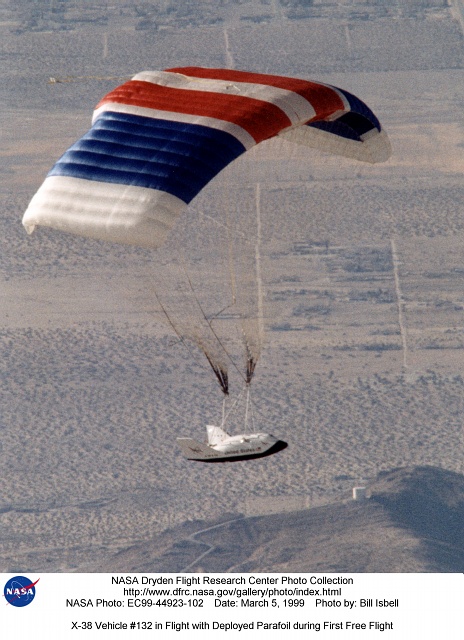
A Lone Survivor, Fleeing the Space Station after Tragedy, Recalls the Order CheloniaThe poem draws on an an article I read about a prototype escape pod for occupants of the space station, my flowering obsession with natural history and taxonomy, and a genuine desire to put down roots in one place instead of being, as I had been for many years as an undergraduate (three colleges, three states) and then as a graduate student, caught between places, not knowing where I was going to land.
The crispness of hatch-closing, and then in silence breaking away
she drops, half-scudding through the atmosphere,
the wingless airfoil plunging, she hopes, to open fields.
But there’s so much asphalt, so many hard cities unseen below.
She thinks perhaps the ocean will swallow her.
Perhaps is such a large word now:
she wears it, a one-piece zippered suit.
Warming, through the window she sees the hull glow ember-gold.
She slips faster, down. In her mind, she diagrams
the earth, the atmosphere, gravity’s certainties.
She flies as turtles swim, lift and drag balanced into descent.
She is in the belly of a turtle. What she has left behind—
she tries not to think of it—burns. She thinks, rather, of water,
the ocean, kelp, tides, California.
Outside, America grows toward her, suddenly large, mountainous, alarming.
No place for a chelonian. Why does she know that word?
Wonders why she knows that and not something useful, something like God.
She checks her watch and listens.
Amidst the roaring, a door, almost unheard, opens.
She imagines the people who took two weeks
to pack the hundreds of cables, the seven thousand square feet of silk.
Did they work at night? Were they tired, thoughtless, depressed?
Were their minds on their task those long warehouse days?
Two long minutes the cables untangle, the cloth unfurls;
whomping and foomping and hissing, it stutters a long perhaps.
Announces itself like love: I’ve been here all along.
The carapace bears up like an elevator.
Her earpiece crackles to life.
She says It’s me, I’m here, I’m home.
Swimming toward the sand, she presses her face against the pane
and, drawing back, is surprised by the silver reflection there: an imprint
of a ghost-bird caught in mid-flight, stunned
by the invisible shell of cold,
by all the things, having fallen, it suddenly knows.
A dozen years, two more degrees, a few more interstate adventures, seven years of marriage, and one child later, I find myself only a few blocks from where I originally wrote that poem about falling into place without being able to decide exactly where one will land.
But I promised to say why I've been thinking about the poem, about falling, about being a little bit out of control.
In January 2001, after (not) dealing with depression on and off for, oh, 17 years, I finally sought out--with much encouragement from Fang--the assistance of a therapist, who referred me to my doctor for a prescription for antidepressants.
My recovery felt miraculous. Whereas previously every day at work had the possibility of being a very bad one, suddenly I awoke feeling each day had promise. I recall that before antidepressants, a phone call I didn't feel like returning to a patron of the symphony orchestra where I worked would send me spiraling downward into blackness. I'd extrapolate my reluctance to return a phone call to a lifetime of phone calls to return for a series of low-paying nonprofit jobs where I would be warehoused in cubicles, which meant, of course, I would never, ever be able to pay off the student loans from my expensive undergraduate degree or my professionally useless poetry M.A. Those of you who have experienced depression know what I'm talking about, and those of you who haven't likely have witnessed someone falling into this vortex of negativity and despair.
Within months of starting the antidepressants, I was accepted to a shiny new Ph.D. program in a town I knew I liked, and I became engaged to Fang. There were other smaller milestones, too, ones I've forgotten now but which I remember made my therapist very happy. It was no coincidence she scheduled my weekly sessions for Friday afternoons--why shouldn't she finish her week on a high note?
Of course, antidepressants come with side effects, and after some time on Celexa, I decided it was time to shake off these byproducts and check in with my old self. I tried several times to wean myself from the drug, but every time found the withdrawal experience worse than the side effects of taking the pills. Plus, I tended to hit bottom again pretty quickly--usually within a week. I tried another type of antidepressant, hoping for more attractive side effects, but instead I experienced some of my darkest days ever.
Still, I wanted to get off the pills. After all, even when unmedicated, I had been an exceptionally high-functioning depressive. I may not have wanted to make those phone calls, but I did. There were certainly times in college where I wanted to burrow under the covers and not go to class, but I did--and I frequently finished papers for my courses a week before they were due. I may have been depressed, but dammit, I was driven.
Three weeks ago, when it was time to refill my prescription, I decided to leave a few emergency pills in the bottle and go cold turkey. I was slow to tell Fang, forgetting that I had promised him I would always alert him to these experiments, and hoping instead I could greet him one morning with the triumphant tale of how I'd been off the citalopram for a month. Aside from this major misstep, the going has been much, much better this time. Nausea, yes. Dizziness, yes. But bottoming out? Literally seeing dark shadows around people, as I had the last time I was withdrawing? Nope.
I'm still calibrating my emotions. The past week in particular I've had a hard time keeping the tears from welling up--but today I also laughed harder than I had in a long, long time.

This smile is brought to you by natural serotonin levels.*
In the face of furloughs, pay cuts, a husband recently diagnosed with scoliosis that will eventually require surgery to fuse some of his vertebrae together, my still-too-recent-and-raw failure to secure either the tenure-track humanities job for which I had trained for years or the couple of administrative jobs I dearly wanted, and so much other nastiness in the world, it may seem more than a little crazy to choose this moment to give up the drugs.
I'm feeling raw, I'm feeling a bit sad, but I'm also feeling like me. It's taken me 8.5 years, but I feel I'm ready to face the world without medicine that at first was a necessary life-changer and that was a life-saver post-partum, but which I fear in more recent years had become a crutch, a way of anesthetizing myself.**
I am, like the woman in the poem I wrote 12 years ago, experiencing re-entry, and right now I'm plunging through the atmosphere, feeling the heat burning up the old shell but also glorying in the light that only results from an almost unbearable friction with the world.


* And eight years of orthodontia.
** Please note: I'm absolutely not writing this post to dismiss the effectiveness of antidepressants or encourage anyone else to ditch their meds. My quitting has been a long time coming, and I'm ready for it; I alerted my doctor and have been monitoring my moods closely. Do not attempt withdrawal from psychotropic medicines on your own, as it's likely your experience will vary significantly from mine.
Thursday, November 02, 2006
Mushrooms and cheese, side of depression
Aside from creeps looking for photos of the Clutter family murders (something I'd never heard of when I started this blog, BTW), the top three searches that lead netizens to this blog may be "depression academia," "poems about cheese" and "mushrooms growing in carpet."
If you're here looking for depressed academics, cheesy poems, or mushroomy carpets, I'm happy to help.
Many apologies, however, to the person searching for "playing French horn while pregnant." I'm afraid I can't help much there.
Ditto for the person looking for "analyze chapter 4 of the shipping news by annie proulx." Do your own work, dammit.
And then there are my parents, who can never remember the URL of The Clutter Museum, nor can they apparently figure out how to bookmark something, so they always do a search for "clutter museum blog." I'm glad to know that after 11 years of being online, they finally know how to use the Google. (I know it's them because they live in a neighborhood that is identified by internet and phone service providers with a name that doesn't exist on any conventional map. C'est bizarre!)
If you're here looking for depressed academics, cheesy poems, or mushroomy carpets, I'm happy to help.
Many apologies, however, to the person searching for "playing French horn while pregnant." I'm afraid I can't help much there.
Ditto for the person looking for "analyze chapter 4 of the shipping news by annie proulx." Do your own work, dammit.
And then there are my parents, who can never remember the URL of The Clutter Museum, nor can they apparently figure out how to bookmark something, so they always do a search for "clutter museum blog." I'm glad to know that after 11 years of being online, they finally know how to use the Google. (I know it's them because they live in a neighborhood that is identified by internet and phone service providers with a name that doesn't exist on any conventional map. C'est bizarre!)
Sunday, November 22, 2009
A fierce and mortal green
When I was in college, Dar Williams performed on campus. I had never heard of her, and to say that many of her songs resonated with me would be an understatement. Here's my favorite, then and now. (I couldn't find a clean version of Williams singing it, so here's a video of someone covering it. Go ahead and hit play, and let it run as you read the post.)
I've always been a sucker for songs and poems about place, and a big part of that passion comes from wanting to be grounded, but also frequently from a sense that I'm about to lose the place where I am. I experience, then, a cognitive dissonance of place, where I let myself fall in love with a place even as I'm plotting to leave it.
This feeling is also native to parenthood, but particularly, I think, to motherhood. I love Lucas so deeply at every stage, even as I know that each beloved stage will pass before I even fully recognize it as a defined moment. And as he has moved from fetus to newborn, from infant to toddler and now to little boy, I can feel the changes in my body, even now when he's four years old.
It's a similar sensation to being grounded in a place, but that place is Portuguese Bend, where the ground slides into the Pacific, so much so that pipes are above ground and the main road is under almost constant construction. You're standing on what feels for a moment like solid ground, but you know at the same time that you're headed inexorably to the sea.
There's something about that last verse of Williams's song that always gets me, even as the "you" of the poem shifts for me from being a person to being something unnamed and temporal:
As if I wouldn't be freaked out by fears of Lucas freezing to death when my unpracticed hands bundled him up each morning for icy sidewalks and wind chills of 30 to 60 degrees below zero. As if I wanted to worry about snow collapsing the roof or tornadoes or whatever it is Iowans fear beyond losing their grown children to sexier locales or letting the literacy rate drop below 99 percent.
As if I could easily move Lucas after he starts public school in less than two years. Tick tock.
I feel I'm at this huge, sad crossroads, and no two things I value lie in the same direction. My parents, my sister, and my mother's family are all in Southern California; many friends, beloved colleagues, and some of the best public K-12 schools in the nation are here in this town; better opportunities for work definitely lie elsewhere. And let's not forget, of course, that I'm married, and Fang's various dreams and fears further muzzy any attempts at mapping a future.
I've been on the edge of tears all evening, not just because of the complexity of being a working quasi-academic mother and wife, but also because of our decision to move Lucas to a different preschool because a slot opened up there for December. His current daycare/preschool provider, whom I've called Serena in this space, truly loves Lucas--not just as a teacher might, but as a surrogate grandmother. He has been at her in-home daycare for three years, and he has two beloved friends--one age four, one only about 16 months old but wise beyond his year--there.
But many of his peers have moved on to more conventional preschools, and Lucas is now the oldest child there. He's not as social as many kids his age, and when we take him to birthday parties where he doesn't know many of the children, he plays by himself in a corner, never quite joining in play with the other kids. I know some kids are slow to warm up or are shy, but Lucas's reticence is, I sense, much more profound, and he needs to be with a slightly larger group of kids his age.
When I talked today on the phone with Serena, we were both crying. After all, she has been so instrumental in Lucas's development and in making him feel loved in the world. She has introduced or exposed him to so much, from letters and numbers to Nepali and Hindu cuisine, from yoga to (through her own life and those of her assistants) Hindu and Muslim cultures and practices. His life has been profoundly enriched by her attention, dedication, and love--as have ours.
Complicating matters is that Serena's son has been sentenced to prison for more than 378 years, probably unjustly. (Seriously, explore the advocacy pages at that link, and then write a letter or make some other small or large meaningful gesture). Fang and I have attended rallies and written letters and commented on blogs and forums and have been, I suspect, far more involved in the campaign than have other parents. Indeed, today Serena told me that we are not like other parents, that we are exceptional in many ways. Her daycare business has declined lately, partly out of coincidence that her students were aging out of daycare (though she does offer preschool up to age 6, I haven't seen any kid stay until age 5) and partly because of the pall that fell over the house after her son's unexpected conviction. Serena and her family have paid a tremendous financial and emotional toll over the past six months (and, unbeknownst to most of us at the daycare, for three years prior to that), and I know that on top of all this chaos and sadness, losing Lucas is at once a relatively small thing and yet no small blow.
One of my favorite lines in all of poetry--"it glowed a fierce and mortal green"--comes from Richard Wilbur's poem "The Pardon." It's a disturbing and raw poem that narrates the death, decomposition, burial, and--in a dream--resurrection of a 10-year-old boy's beloved dog. Recently, all my nostalgia about the past, as well as my mourning of the future I thought I'd have but won't, has been colored not gray and black--as depression tends to shade things--but rather the fierce and mortal green of Iowa in early August, when the corn is tall and the soy rolling like an ocean in a summer wind.
 Photo by McMorr, and used under a Creative Commons license.
It's the green that comes only from soil enriched with crap and death.
I expect something will emerge from this glowing green that tinges the borders of my vision. Whether the future that approaches will be--to borrow another of Wilbur's lines--"clothed in a hymn of flies" or a bumper crop of something to be desired, I don't know.
I do know that I'm profoundly sad about what's passed and passing. For now, maybe, it is sufficient to feel anything at all.
I've always been a sucker for songs and poems about place, and a big part of that passion comes from wanting to be grounded, but also frequently from a sense that I'm about to lose the place where I am. I experience, then, a cognitive dissonance of place, where I let myself fall in love with a place even as I'm plotting to leave it.
This feeling is also native to parenthood, but particularly, I think, to motherhood. I love Lucas so deeply at every stage, even as I know that each beloved stage will pass before I even fully recognize it as a defined moment. And as he has moved from fetus to newborn, from infant to toddler and now to little boy, I can feel the changes in my body, even now when he's four years old.
It's a similar sensation to being grounded in a place, but that place is Portuguese Bend, where the ground slides into the Pacific, so much so that pipes are above ground and the main road is under almost constant construction. You're standing on what feels for a moment like solid ground, but you know at the same time that you're headed inexorably to the sea.
There's something about that last verse of Williams's song that always gets me, even as the "you" of the poem shifts for me from being a person to being something unnamed and temporal:
Once I had everything—I gave it up for the shoulder of your driveway and the words I've never felt.The intersection of motherhood and my nostalgia for place is a complicated one. It's very easy for me to look at the cost of living here, my imperiled employment (thanks to the clusterfuck that is the University of California), and myriad other indicators of the quality of life and to think I should reserve a moving truck for next week. And because I spent the most intellectually invigorating and emotionally formative years of my adult life in Iowa, it's to there my mind wanders, as if I could recreate the sharpness of mind of a 22- or 24-year-old; the freedom of being a young, highly educated, single white woman; or the optimism (always oddly tinged by depression) of the college or university student who has always been told she has all the smarts and talent and drive she needs to succeed as an academic, or indeed in whatever endeavor she pursues.
And so for you I came this far, across the tracks, ten miles above the limit, and with no seatbelt—and I'd do it again.
For tonight I went running through the screen doors of discretion,
For I woke up from a nightmare that I could not stand to see:
You were a-wandering out on the hills of Iowa, and you were not thinking of me.
As if I wouldn't be freaked out by fears of Lucas freezing to death when my unpracticed hands bundled him up each morning for icy sidewalks and wind chills of 30 to 60 degrees below zero. As if I wanted to worry about snow collapsing the roof or tornadoes or whatever it is Iowans fear beyond losing their grown children to sexier locales or letting the literacy rate drop below 99 percent.
As if I could easily move Lucas after he starts public school in less than two years. Tick tock.
I feel I'm at this huge, sad crossroads, and no two things I value lie in the same direction. My parents, my sister, and my mother's family are all in Southern California; many friends, beloved colleagues, and some of the best public K-12 schools in the nation are here in this town; better opportunities for work definitely lie elsewhere. And let's not forget, of course, that I'm married, and Fang's various dreams and fears further muzzy any attempts at mapping a future.
I've been on the edge of tears all evening, not just because of the complexity of being a working quasi-academic mother and wife, but also because of our decision to move Lucas to a different preschool because a slot opened up there for December. His current daycare/preschool provider, whom I've called Serena in this space, truly loves Lucas--not just as a teacher might, but as a surrogate grandmother. He has been at her in-home daycare for three years, and he has two beloved friends--one age four, one only about 16 months old but wise beyond his year--there.
But many of his peers have moved on to more conventional preschools, and Lucas is now the oldest child there. He's not as social as many kids his age, and when we take him to birthday parties where he doesn't know many of the children, he plays by himself in a corner, never quite joining in play with the other kids. I know some kids are slow to warm up or are shy, but Lucas's reticence is, I sense, much more profound, and he needs to be with a slightly larger group of kids his age.
When I talked today on the phone with Serena, we were both crying. After all, she has been so instrumental in Lucas's development and in making him feel loved in the world. She has introduced or exposed him to so much, from letters and numbers to Nepali and Hindu cuisine, from yoga to (through her own life and those of her assistants) Hindu and Muslim cultures and practices. His life has been profoundly enriched by her attention, dedication, and love--as have ours.
Complicating matters is that Serena's son has been sentenced to prison for more than 378 years, probably unjustly. (Seriously, explore the advocacy pages at that link, and then write a letter or make some other small or large meaningful gesture). Fang and I have attended rallies and written letters and commented on blogs and forums and have been, I suspect, far more involved in the campaign than have other parents. Indeed, today Serena told me that we are not like other parents, that we are exceptional in many ways. Her daycare business has declined lately, partly out of coincidence that her students were aging out of daycare (though she does offer preschool up to age 6, I haven't seen any kid stay until age 5) and partly because of the pall that fell over the house after her son's unexpected conviction. Serena and her family have paid a tremendous financial and emotional toll over the past six months (and, unbeknownst to most of us at the daycare, for three years prior to that), and I know that on top of all this chaos and sadness, losing Lucas is at once a relatively small thing and yet no small blow.
One of my favorite lines in all of poetry--"it glowed a fierce and mortal green"--comes from Richard Wilbur's poem "The Pardon." It's a disturbing and raw poem that narrates the death, decomposition, burial, and--in a dream--resurrection of a 10-year-old boy's beloved dog. Recently, all my nostalgia about the past, as well as my mourning of the future I thought I'd have but won't, has been colored not gray and black--as depression tends to shade things--but rather the fierce and mortal green of Iowa in early August, when the corn is tall and the soy rolling like an ocean in a summer wind.
 Photo by McMorr, and used under a Creative Commons license.
It's the green that comes only from soil enriched with crap and death.
I expect something will emerge from this glowing green that tinges the borders of my vision. Whether the future that approaches will be--to borrow another of Wilbur's lines--"clothed in a hymn of flies" or a bumper crop of something to be desired, I don't know.
I do know that I'm profoundly sad about what's passed and passing. For now, maybe, it is sufficient to feel anything at all.
Wednesday, February 06, 2008
Thoughts on Twitter snark, deconstruction, and a pedagogy
At the EDUCAUSE Learning Initiative conference in San Antonio last week, there was an amazing Twitter back channel on which people reported on highlights of the sessions they were attending, critiqued ideas presented in those sessions, and engaged in conversations about conference content. It was, I thought, a delightful addition to the conference.
However, in the final conference session, a plenary featuring Lulu CEO Bob Young, the Twittering turned, in the minds of some people, a bit vicious. My impression of the Twitter stream:
Gardner Campbell has written an excellent post in which he expresses his chagrin in participating in this Twittering, but in which he also explains how (and perhaps why) Young went awry in his talk.
Gardner writes,
My take
If we were out for blood, as some people seem to be implying, I'm wondering how much of the incident was expressing our distaste for bad speakers, and how much of it might be traced back to our training as (for many of us) humanities scholars. My own experience in graduate programs in English and cultural studies consisted in many cases of taking a text and tearing it apart (or, worse, as was more common in cultural studies: reading a secondary text that was savaging a primary text, without bothering to read the primary text). And that's what was happening in many ways during Young's talk. We were actively deconstructing the text he was creating--his narratives of his education, as well as his beliefs about how academics view their students--and a lot of that deconstruction, in part because it was taking place in 140-character sound bites, manifested itself in snark.
Of course, this raises a bigger issue: Are we training our students to be similarly snarky, to deconstruct knowledge* rather than to construct it? Is the kind of savage deconstruction we see today in many English and various humanities "studies" programs a necessary part of humanities training? This kind of training--which thank God I didn't get until grad school, as my undergrad institution was much more traditionally liberal artsy--has definitely affected the way I see the world. It's made me more cynical and suspicious about U.S. culture in general, but also about the discipline in which I received my Ph.D.--cultural studies. I have observed that many cultural studies TAs here are more likely to try to have content-based consciousness-raising sessions in their classes than try to teach cognitive skills. I'm not the only one locally to have made this observation.
Which brings me to American studies. I love teaching American studies because it's one of those disciplines that, when taught well, takes a more holistic approach to culture. It asks what phenomena unite or divide Americans, rather than criticize the Americans themselves for destroying cultures worldwide. (Don't get me wrong--the U.S. deserves plenty of blame for corporate imperialism, but I like the American studies approach because it avoids alienating conservative and moderate students in a never-ending blame game of cynicism and suspicion.)
So when someone posts on Twitter that "There's obviously something interesting about his experience, but he doesn't seem to have prepared to share it with us," that's a fine critique. In looking up this Tweet, I remembered it as "he doesn't seem to be" (rather than have) "prepared to share it with us." This, to me, is a significant statement. Whence comes this inability to share? The American studies scholar in me asks about that gap in communication--what is this corporate leader holding back from academics, and why? What is it about his experience that makes him come across as recalcitrant or even obnoxious? What assumptions is he making about academics, and why? I think the Twitter stream was asking those questions, just in ways that are less articulate (but considerably wittier). Much of what we were doing may in the moment have been a slapdash, on-the-fly close reading of Young's talk, but looking back at the Tweets allows us to continue conversations on bigger issues.
So yay for Twitter, and thanks to those who participated in the banter during Young's talk. If only we could always keep our students so engaged. Maybe the next time I teach, I'll have the class's Twitter stream projected on the back wall (as someone recommended we ought to do for Young's talk).
* What do I mean by deconstruction? I'm not necessarily talking about Deconstruction with a capital "D." As it's practiced in the disciplines with which I'm familiar, deconstruction means (in practice, if not always in theory) taking "text" A and running it through filter B (e.g. feminist theory, Derrida, Foucault, Heidegger) in order to see what kind of hamburger gets produced. In my opinion, it's not particularly imaginative or generative.
However, in the final conference session, a plenary featuring Lulu CEO Bob Young, the Twittering turned, in the minds of some people, a bit vicious. My impression of the Twitter stream:
- We began tweeting in disbelief that the speaker was so tone-deaf to his audience.
- We ramped up the snark and began giggling because wow, was this guy ever wrong about his audience.
- We settled into a collective sobriety and depression because Young clearly had been--in the words of one participant--scarred by his teachers and even by librarians, and because we sensed the profound disconnect between industry and academia
Gardner Campbell has written an excellent post in which he expresses his chagrin in participating in this Twittering, but in which he also explains how (and perhaps why) Young went awry in his talk.
Gardner writes,
Jim Groom, who wasn't attending the conference, but who was attending to its Twitter stream, shared these thoughts about the plenary tweets:
But there’s one other thing to note here. A keynote speaker has an enormous responsibility. At these moments, the entire conference comes to a point of focus on one speaker, one set of ideas, one address. ELI 2008 was full of enormously talented speakers, and any of the featured speakers would have been a much better closing keynote than Bob Young was, though I’m sure no one on the program committee had any idea Young would do what he did. But back to the point. Time slots on a program are always precious, especially when so many wonderful ideas and speakers are in circulation. I think we all felt an enormous wave of disappointment (this comment [from Barbara Sawhill] eloquently describes the feeling) that an extraordinary opportunity had been discarded by a speaker who seemed to have no sense at all of the gift he had been given. The program committee, acting on our behalf, gave him a treasure, a great privilege, and to him it appeared to be no occasion at all–nothing to rise to, nothing to answer, nothing to value. Instead, we got jokes about his inadequate speaker’s fee and the relative IQs of his various audiences.
From my vantage point, receiving all these reactions second-hand via twitter offered a fascinating look into something other than what was being said at the podium, or the vicarious experience of “being there.” What it suggested to me was how the community thinks about what is being said. To hear a large number of people (all of whom I respect and trust) in my network respond to ideas they neither agree with nor, at times, can tolerate was both unbelievably entertaining and fascinating all at once.Collean Carmean was considerably more disappointed with the direction of the plenary tweets:
As Kieramc (a fellow twitter-ite who was not at the event) tweeted: “This may be my fave ELI session this year.” I couldn’t agree with her more! It was a blast from the bleachers, in part because I didn’t have to sit (or is it suffer) through this talk, but also because the experience suggests a real pulse within the network. This was a moment of cognitive crisis in our “collective intelligences” which had immediate reverberations in the network (or in this case twitter — sorry if I am using Network a bit loosely here).
I was truly jazzed by the sense of long-distance ‘being there’ via Twitter energy during the ELI experience the last few days. Smart, funny, deep, interesting live back channel and longed-for summaries of fun, food, ideas that I missed.
Then, a LULU of a shift. I checked in yesterday and was stunned by the back-channel backlash, and the…harshness…of the Twitters. So stunned I stepped away from my machine.
Twitter changed for me in that moment. It lost its luster as a stream of consciousness with my connections and left me disconnected. Someone posted that he felt ’strange and estranged’ but he was there, and so had a context. I was just sad.
My take
If we were out for blood, as some people seem to be implying, I'm wondering how much of the incident was expressing our distaste for bad speakers, and how much of it might be traced back to our training as (for many of us) humanities scholars. My own experience in graduate programs in English and cultural studies consisted in many cases of taking a text and tearing it apart (or, worse, as was more common in cultural studies: reading a secondary text that was savaging a primary text, without bothering to read the primary text). And that's what was happening in many ways during Young's talk. We were actively deconstructing the text he was creating--his narratives of his education, as well as his beliefs about how academics view their students--and a lot of that deconstruction, in part because it was taking place in 140-character sound bites, manifested itself in snark.
Of course, this raises a bigger issue: Are we training our students to be similarly snarky, to deconstruct knowledge* rather than to construct it? Is the kind of savage deconstruction we see today in many English and various humanities "studies" programs a necessary part of humanities training? This kind of training--which thank God I didn't get until grad school, as my undergrad institution was much more traditionally liberal artsy--has definitely affected the way I see the world. It's made me more cynical and suspicious about U.S. culture in general, but also about the discipline in which I received my Ph.D.--cultural studies. I have observed that many cultural studies TAs here are more likely to try to have content-based consciousness-raising sessions in their classes than try to teach cognitive skills. I'm not the only one locally to have made this observation.
Which brings me to American studies. I love teaching American studies because it's one of those disciplines that, when taught well, takes a more holistic approach to culture. It asks what phenomena unite or divide Americans, rather than criticize the Americans themselves for destroying cultures worldwide. (Don't get me wrong--the U.S. deserves plenty of blame for corporate imperialism, but I like the American studies approach because it avoids alienating conservative and moderate students in a never-ending blame game of cynicism and suspicion.)
So when someone posts on Twitter that "There's obviously something interesting about his experience, but he doesn't seem to have prepared to share it with us," that's a fine critique. In looking up this Tweet, I remembered it as "he doesn't seem to be" (rather than have) "prepared to share it with us." This, to me, is a significant statement. Whence comes this inability to share? The American studies scholar in me asks about that gap in communication--what is this corporate leader holding back from academics, and why? What is it about his experience that makes him come across as recalcitrant or even obnoxious? What assumptions is he making about academics, and why? I think the Twitter stream was asking those questions, just in ways that are less articulate (but considerably wittier). Much of what we were doing may in the moment have been a slapdash, on-the-fly close reading of Young's talk, but looking back at the Tweets allows us to continue conversations on bigger issues.
So yay for Twitter, and thanks to those who participated in the banter during Young's talk. If only we could always keep our students so engaged. Maybe the next time I teach, I'll have the class's Twitter stream projected on the back wall (as someone recommended we ought to do for Young's talk).
* What do I mean by deconstruction? I'm not necessarily talking about Deconstruction with a capital "D." As it's practiced in the disciplines with which I'm familiar, deconstruction means (in practice, if not always in theory) taking "text" A and running it through filter B (e.g. feminist theory, Derrida, Foucault, Heidegger) in order to see what kind of hamburger gets produced. In my opinion, it's not particularly imaginative or generative.
Wednesday, January 30, 2008
Conferencing with ed tech folks: what's hot and what's not
(cross-posted at BlogHer)
Blog conversations, Twitter, and wet t-shirts, oh my!
Those were just some of the highlights of the EDUCAUSE Learning Initiative (ELI) annual conference, which concluded today. Overall, the conference was as all conferences seem to be: some useful sessions, some not so much--but terrific camaraderie and first-rate opportunities for networking with higher ed faculty, faculty development specialists, and ed tech folks from around the world.
And yes, you did read that correctly: I said "wet t-shirts." Allow me to explain. . .
How not to talk to higher ed professionals
If there's one thing I can tell you about faculty, it's that we have little patience for speakers who are tone deaf to the needs and concerns of their audience. We are, after all, people who are committed to research. So, for example, if you're speaking to a room that's at least 50% women--and savvy, intelligent women at that--you probably shouldn't include a "funny" photo of a faceless woman having her bra removed or a reference to "wet tee-shirts.com." Unless, that is, you want me to stand up in front of 75-100 people and ask you why all your examples of successful folks in the conative domain (e.g. striving, will, desire) were male adventurers (male astronauts, male pilots--and oh yeah, Christa McAuliffe, who died while striving), while at the same time you included references to women's bodies instead of their minds. And when you tell me gender doesn't matter in this conative domain after you gave gendered (male) example after gendered (male) example, you can forgive me for not being satisfied with your answer. (I'm gratified to all the folks--men and women--who approached me after your session to thank me for asking that question and continued the conversation.)
Also: Even if you are a jaded Baby Boomer professor, you're probably going to lose your audience of educators and educational advocates when you say things like, "We need to stop telling young people they can be anything they want." That's not giving us tough talk. That's showing that, again, you don't get the gender (and race and class) thing.
And if you're going to talk to us about educational publishing in the 21st century, you probably shouldn't use phrases like "damned idiot students." Unless, that is, you want the conference cool kids on the Twitter back channel to ramp up the snark to unprecedented levels. We went from initial disbelief to giggles to abject depression within 45 minutes. Some representative samples:
Laura Blankenship hit the nail on the head with her blog post about the divided audience at ELI. Admittedly, even though we all see ourselves as active learners and we tend to be more curious about technology than your average Jane on the street, we're a tough crowd because, as Laura points out,
In short, at ELI you're speaking to two very different audiences at once. We all care about pedagogy and technology, but we're at different places in our journeys.
How to talk to folks in higher ed
Engage us with ideas. Tell us about your project or program or research, but also let us talk. (Tip: letting us speak makes it harder for us to Twitter about your presentation.) Most of the conference sessions I attended gave participants time to chat with one another about what's going on at our home institutions. A+ to those panelists.
At the risk of seeming self-promoting, I wanted to highlight a session in which I was a co-presenter: "Who's Afraid of Blogs, Wikis, Podcasts, and the Big Bad CMS? A Digi-Drama About Fear 2.0." The session description asked a difficult question:
You can view the video and Voicethread presentations created for the session by bloggers Barbara Sawhill, Barbara Ganley, Martha Burtis, Laura Blankenship, and me. Following a viewing of the videos, we led participants through a brainstorming exercise. The audience participants generated many fabulous solutions for helping faculty, students, and IT staff overcome their anxieties about the collaborative web. Solutions ranged from offering one-on-one tutoring of faculty in tech tools to, er, ending nationalism. Laura provides a full list of the proposed solutions on her blog. (Thanks to all who participated--especially since our session was concurrent with a presentation by Michael Wesch of "The Machine is Us/ing Us" fame.)
What made this session a success was not only the incredible expertise and insight of my co-presenters, but also the quality of audience participation. If you know your audience, you can initiate lively conversations that extend well beyond the session's time slot.
This session also modeled the kind of connections educators can make by blogging. Many attendees were shocked--shocked, I tell you!--that we hail from five different, geographically dispersed colleges and universities. We were asked how we met, and we all said, "We blog!" (In fact, I first met the Barbaras and Laura at BlogHer 2006.) Like the conference's unofficial Twitter stream that provided an additional venue for commentary and critique, blogging was a unifying thread among many of the conference's most provocative and revolutionary thinkers--men and women alike.
My questions for you
How do you confront speakers who incorporate sexist, racist, or classist representations into their presentations, or who make assumptions that you find asinine? Do you prefer to address the issue in public on the spot, speak privately with the presenter following his or her talk, and/or blog about it?
How can we make the more revolutionary, provocative voices heard at conferences in industries (like education) that can be slow to adapt to changes of all kinds?
tag: ELIAnnual08
Blog conversations, Twitter, and wet t-shirts, oh my!
Those were just some of the highlights of the EDUCAUSE Learning Initiative (ELI) annual conference, which concluded today. Overall, the conference was as all conferences seem to be: some useful sessions, some not so much--but terrific camaraderie and first-rate opportunities for networking with higher ed faculty, faculty development specialists, and ed tech folks from around the world.
And yes, you did read that correctly: I said "wet t-shirts." Allow me to explain. . .
How not to talk to higher ed professionals
If there's one thing I can tell you about faculty, it's that we have little patience for speakers who are tone deaf to the needs and concerns of their audience. We are, after all, people who are committed to research. So, for example, if you're speaking to a room that's at least 50% women--and savvy, intelligent women at that--you probably shouldn't include a "funny" photo of a faceless woman having her bra removed or a reference to "wet tee-shirts.com." Unless, that is, you want me to stand up in front of 75-100 people and ask you why all your examples of successful folks in the conative domain (e.g. striving, will, desire) were male adventurers (male astronauts, male pilots--and oh yeah, Christa McAuliffe, who died while striving), while at the same time you included references to women's bodies instead of their minds. And when you tell me gender doesn't matter in this conative domain after you gave gendered (male) example after gendered (male) example, you can forgive me for not being satisfied with your answer. (I'm gratified to all the folks--men and women--who approached me after your session to thank me for asking that question and continued the conversation.)
Also: Even if you are a jaded Baby Boomer professor, you're probably going to lose your audience of educators and educational advocates when you say things like, "We need to stop telling young people they can be anything they want." That's not giving us tough talk. That's showing that, again, you don't get the gender (and race and class) thing.
And if you're going to talk to us about educational publishing in the 21st century, you probably shouldn't use phrases like "damned idiot students." Unless, that is, you want the conference cool kids on the Twitter back channel to ramp up the snark to unprecedented levels. We went from initial disbelief to giggles to abject depression within 45 minutes. Some representative samples:
"I can get published on the Internet, yayyyyy!"
"I got a long tail for you right here pal."
"I can see the headlines now: 'Red Hat Co-founder Stoned at Ed Conference' Twitter stream under investigation."
"There's obviously something interesting about his experience, but he doesn't seem to have prepared to share it with us."
"I believe this man was scarred by this teachers. Badly scarred."
Laura Blankenship hit the nail on the head with her blog post about the divided audience at ELI. Admittedly, even though we all see ourselves as active learners and we tend to be more curious about technology than your average Jane on the street, we're a tough crowd because, as Laura points out,
I think a conference like this tries to strike a balance between reaching those who are unaware or only vaguely aware of the bleeding edge and those who are standing right on it.
In short, at ELI you're speaking to two very different audiences at once. We all care about pedagogy and technology, but we're at different places in our journeys.
How to talk to folks in higher ed
Engage us with ideas. Tell us about your project or program or research, but also let us talk. (Tip: letting us speak makes it harder for us to Twitter about your presentation.) Most of the conference sessions I attended gave participants time to chat with one another about what's going on at our home institutions. A+ to those panelists.
At the risk of seeming self-promoting, I wanted to highlight a session in which I was a co-presenter: "Who's Afraid of Blogs, Wikis, Podcasts, and the Big Bad CMS? A Digi-Drama About Fear 2.0." The session description asked a difficult question:
Web 2.0 tools have the power to transform education. Such a transformation requires that faculty, students, and institutions take risks. With those risks comes fear, which is often unarticulated. How do you tackle this fear and make real change? Join us to face this fear together in a multimedia, interactive miniplay.
You can view the video and Voicethread presentations created for the session by bloggers Barbara Sawhill, Barbara Ganley, Martha Burtis, Laura Blankenship, and me. Following a viewing of the videos, we led participants through a brainstorming exercise. The audience participants generated many fabulous solutions for helping faculty, students, and IT staff overcome their anxieties about the collaborative web. Solutions ranged from offering one-on-one tutoring of faculty in tech tools to, er, ending nationalism. Laura provides a full list of the proposed solutions on her blog. (Thanks to all who participated--especially since our session was concurrent with a presentation by Michael Wesch of "The Machine is Us/ing Us" fame.)
What made this session a success was not only the incredible expertise and insight of my co-presenters, but also the quality of audience participation. If you know your audience, you can initiate lively conversations that extend well beyond the session's time slot.
This session also modeled the kind of connections educators can make by blogging. Many attendees were shocked--shocked, I tell you!--that we hail from five different, geographically dispersed colleges and universities. We were asked how we met, and we all said, "We blog!" (In fact, I first met the Barbaras and Laura at BlogHer 2006.) Like the conference's unofficial Twitter stream that provided an additional venue for commentary and critique, blogging was a unifying thread among many of the conference's most provocative and revolutionary thinkers--men and women alike.
My questions for you
How do you confront speakers who incorporate sexist, racist, or classist representations into their presentations, or who make assumptions that you find asinine? Do you prefer to address the issue in public on the spot, speak privately with the presenter following his or her talk, and/or blog about it?
How can we make the more revolutionary, provocative voices heard at conferences in industries (like education) that can be slow to adapt to changes of all kinds?
tag: ELIAnnual08
Thursday, December 06, 2007
Trying to slow down
I've been feeling less in need of the Internet lately, and more in need of paper and art and craft supplies. (OK, and maybe some good TV.)
It speaks to me of a need to slow down, to take better care of myself, my family, my friendships, and my surroundings.
Things I've noticed lately:
1a. Lucas is growing up so fast. I want to spend more time with him. His daycare providers describe him as "so gentle" and "very sensitive." I concur, and I want to help nurture his budding talents as an artist and his interest in music. I don't mean to be a pushy parent, mind you--he's not getting acoustic guitar lessons anytime soon--but I want to sit beside him as his right brain really kicks into gear, as it seems to be doing right now. Mr. Trillwing and I are both prone to depression--and have been since we were kids--so I'd like to see Lucas develop healthy, creative ways to express himself in case he inherits our mental and emotional proclivities.
1b. I need to spend more time with Mr. Trillwing. Even though he telecommutes from home, he works very, very, VERY long hours at a job that doesn't offer him, I think, a whole lot of creative satisfaction, even though it's the kind of job that in theory should offer exactly that kind of satisfaction. We don't get enough time to talk. And we need to talk. We're talkers, or at least we used to be. And we're creative types, and neither of us is finding enough time to create.
2. I like my job. A lot. I really like that I can (mostly) leave it at work. It lets me enjoy myself more at home.
3. #2 means more family time. It also means less dissertation/book revision time.
4. I still want to write, but I'd like to write a novel, as well as pull out the poems from my creative writing degree and revise them into a chapbook or book. But I feel I need to get the other book (the diss revision) out of the way first, so that I can start anew.
5. My desk area at home is a mess. I'm many months behind on filing, and papers are piling up again. I'd feel better if I were organized, and I'd probably be more productive, too. But I'm the one responsible for pretty much all paperwork--financial or otherwise--that passes through our lives, so the paper accrues very quickly.
6. I need to get back into better shape. I'm not feeling healthy. Bleah.
7. It's raining. I've missed the rain, as inconvenient as it can be for someone who's trying to be good about commuting to work on a bicycle.
8. My memory is shot. If I don't write something down, I forget about it--and even then my system of tracking action items isn't leak-proof. It's strange, and I'm not sure if it's because I care less than I used to about the things I'm supposed to be remembering, or if it's because I really am losing the ability to remember things.
9. We're making good progress on paying down the scary credit card debt. It may not be paid down as quickly as I had hoped, but we've reduced it by almost 50%, and by the end of January, we'll probably have reduced it by 70% from what it was in September. Of course, it could come back to bite us when taxes come due, as we're able to pay off this debt because we've each taken on some extra work this fall, not all of which has income taxes withheld.
What's been bothering you lately? What's keeping you from accomplishing what you want to do?
It speaks to me of a need to slow down, to take better care of myself, my family, my friendships, and my surroundings.
Things I've noticed lately:
1a. Lucas is growing up so fast. I want to spend more time with him. His daycare providers describe him as "so gentle" and "very sensitive." I concur, and I want to help nurture his budding talents as an artist and his interest in music. I don't mean to be a pushy parent, mind you--he's not getting acoustic guitar lessons anytime soon--but I want to sit beside him as his right brain really kicks into gear, as it seems to be doing right now. Mr. Trillwing and I are both prone to depression--and have been since we were kids--so I'd like to see Lucas develop healthy, creative ways to express himself in case he inherits our mental and emotional proclivities.
1b. I need to spend more time with Mr. Trillwing. Even though he telecommutes from home, he works very, very, VERY long hours at a job that doesn't offer him, I think, a whole lot of creative satisfaction, even though it's the kind of job that in theory should offer exactly that kind of satisfaction. We don't get enough time to talk. And we need to talk. We're talkers, or at least we used to be. And we're creative types, and neither of us is finding enough time to create.
2. I like my job. A lot. I really like that I can (mostly) leave it at work. It lets me enjoy myself more at home.
3. #2 means more family time. It also means less dissertation/book revision time.
4. I still want to write, but I'd like to write a novel, as well as pull out the poems from my creative writing degree and revise them into a chapbook or book. But I feel I need to get the other book (the diss revision) out of the way first, so that I can start anew.
5. My desk area at home is a mess. I'm many months behind on filing, and papers are piling up again. I'd feel better if I were organized, and I'd probably be more productive, too. But I'm the one responsible for pretty much all paperwork--financial or otherwise--that passes through our lives, so the paper accrues very quickly.
6. I need to get back into better shape. I'm not feeling healthy. Bleah.
7. It's raining. I've missed the rain, as inconvenient as it can be for someone who's trying to be good about commuting to work on a bicycle.
8. My memory is shot. If I don't write something down, I forget about it--and even then my system of tracking action items isn't leak-proof. It's strange, and I'm not sure if it's because I care less than I used to about the things I'm supposed to be remembering, or if it's because I really am losing the ability to remember things.
9. We're making good progress on paying down the scary credit card debt. It may not be paid down as quickly as I had hoped, but we've reduced it by almost 50%, and by the end of January, we'll probably have reduced it by 70% from what it was in September. Of course, it could come back to bite us when taxes come due, as we're able to pay off this debt because we've each taken on some extra work this fall, not all of which has income taxes withheld.
What's been bothering you lately? What's keeping you from accomplishing what you want to do?
Saturday, July 22, 2006
Resolutions for sleep crisis
. . .or, as Mr. Trillwing puts it, "Hardass Time."
Over the past couple of days in dealing with Luke's distressing sleep habits, Mr. Trillwing and I have both come close to breaking down in our own special (but, thank goodness, rare) ways: me through depression and crying, he through displays of anger.
The crux of the problem, besides our obvious sleep deprivation, stems from our parenting philosophies on sleep:
I'm pretty much an attachment-parenting type. I believe that there are times, such as late evening, when Luke is obviously tired, when we should let him fuss and cry himself to sleep. However, during the day, I tend to rush to Lucas's side if he expresses discomfort.
Mr. Trillwing, on the other hand, has become a big fan of the ol' Ferber method of letting the little guy cry it out whenever it appears a nap is nigh.
This afternoon, after some heated "discussion"--we don't argue, and as strange and perhaps unhealthy as that seems, it's worked for us so far--we compromised. Our plan:
1. Mr. Trillwing will continue to rise with Lucas at whatever ungodly hour the boy chooses.
2. Lucas has the opportunity to take a fuss-free morning nap, meaning it's not scheduled and we don't force the issue. If he falls asleep, fine. If he skips this nap (he rarely does), that's fine, too.
3. The afternoon nap, which Luke occasionally skips, becomes mandatory. Around 2:45, Mr. Trillwing will sit down in his comfy office chair with Luke for some quiet reading and soothing music. If Luke falls asleep, Mr. Trillwing puts him in his crib. If Luke doesn't fall asleep, he still goes into his crib. We let him cry it out until he's asleep or until 45-60 minutes have passed. (This is the part of the plan with which I'm least happy, as I hate, hate, HATE hearing the little guy scream during the day, when my nurturing instincts are most powerful.)
4. Mr. Trillwing will continue to go to bed at an early hour (usually 6 p.m.). I'll be better about establishing an evening going-to-bed routine, with the hope of having Luke conk out between 8 and 8:30 p.m. I'll put him down no later than 8:30. If he cries and wakes up Mr. Trillwing, Mr. T will just have to deal with the noise (currently I rock and comfort Luke until Mr. Trillwing wakes up from his evening "nap" around 10-11 p.m.).
5. When Luke wakes up in the middle of the night, there will be no more regular bringing him into bed with us, because once he's in there, he stays for the rest of the night, refusing to go back into the crib. He also tosses and turns, which means Mr. Trillwing can't sleep and ends up on the couch. I'd really like to share a bed with my husband, and that means ending the co-sleeping on the average night.
If Lucas cries in the middle of the night, neighbors be damned. We'll comfort him, but we won't bring him into bed.
We're hoping being strict about this schedule means in we'll have a better sleeper in 2-3 weeks. I'm feeling kind of heartless at the moment (there's much screaming going on as I type), but really, we've reached the end of our rope on this issue. Luke is perfectly easy going about every issue but sleep, and it's time he establishes a human (and humane) sleep schedule.
Comments, advice, and good vibes are welcome!
Over the past couple of days in dealing with Luke's distressing sleep habits, Mr. Trillwing and I have both come close to breaking down in our own special (but, thank goodness, rare) ways: me through depression and crying, he through displays of anger.
The crux of the problem, besides our obvious sleep deprivation, stems from our parenting philosophies on sleep:
I'm pretty much an attachment-parenting type. I believe that there are times, such as late evening, when Luke is obviously tired, when we should let him fuss and cry himself to sleep. However, during the day, I tend to rush to Lucas's side if he expresses discomfort.
Mr. Trillwing, on the other hand, has become a big fan of the ol' Ferber method of letting the little guy cry it out whenever it appears a nap is nigh.
This afternoon, after some heated "discussion"--we don't argue, and as strange and perhaps unhealthy as that seems, it's worked for us so far--we compromised. Our plan:
1. Mr. Trillwing will continue to rise with Lucas at whatever ungodly hour the boy chooses.
2. Lucas has the opportunity to take a fuss-free morning nap, meaning it's not scheduled and we don't force the issue. If he falls asleep, fine. If he skips this nap (he rarely does), that's fine, too.
3. The afternoon nap, which Luke occasionally skips, becomes mandatory. Around 2:45, Mr. Trillwing will sit down in his comfy office chair with Luke for some quiet reading and soothing music. If Luke falls asleep, Mr. Trillwing puts him in his crib. If Luke doesn't fall asleep, he still goes into his crib. We let him cry it out until he's asleep or until 45-60 minutes have passed. (This is the part of the plan with which I'm least happy, as I hate, hate, HATE hearing the little guy scream during the day, when my nurturing instincts are most powerful.)
4. Mr. Trillwing will continue to go to bed at an early hour (usually 6 p.m.). I'll be better about establishing an evening going-to-bed routine, with the hope of having Luke conk out between 8 and 8:30 p.m. I'll put him down no later than 8:30. If he cries and wakes up Mr. Trillwing, Mr. T will just have to deal with the noise (currently I rock and comfort Luke until Mr. Trillwing wakes up from his evening "nap" around 10-11 p.m.).
5. When Luke wakes up in the middle of the night, there will be no more regular bringing him into bed with us, because once he's in there, he stays for the rest of the night, refusing to go back into the crib. He also tosses and turns, which means Mr. Trillwing can't sleep and ends up on the couch. I'd really like to share a bed with my husband, and that means ending the co-sleeping on the average night.
If Lucas cries in the middle of the night, neighbors be damned. We'll comfort him, but we won't bring him into bed.
We're hoping being strict about this schedule means in we'll have a better sleeper in 2-3 weeks. I'm feeling kind of heartless at the moment (there's much screaming going on as I type), but really, we've reached the end of our rope on this issue. Luke is perfectly easy going about every issue but sleep, and it's time he establishes a human (and humane) sleep schedule.
Comments, advice, and good vibes are welcome!
Saturday, June 24, 2006
Crying it out: All together now. . .
Don't know who's more worn out these days: Lucas or me.
Oh hell, it's me, hands down. Who are we kidding?
Mr. Trillwing is treating himself to a concert tonight. There's nothing like standing in the 5 p.m. 106-degree sun in an outdoor concert venue. Needless to say, I stayed home. I'm not much of a concertgoer nor a standing-in-the-heat type.
But that means, of course, that I'm home with the babe. Since Lucas was especially active today and since his naps were a bit shorter than usual, I assumed he would be heading to bed early.
Ha!
Here's the deal: He made motions toward sleep at 8 p.m., so I put him in his crib, and he slept for about 20 minutes. Since then (it's now 10:40 p.m.), we've had quite the adventure. I tried letting himcry scream it blood-curdlingly out for about an hour, occasionally going in to pat him on the back. I gave him half a bottle of formula after the first 40 minutes because I was worried his little throat was getting raw. He cried while he drank because I didn't take him out of his crib. I turned on a nightlight for him and some music and hung out near his crib while he screamed. I'm pretty sure I suffered some hearing loss.
I threw in the Ferber towel around 10:15, cuddling with him in bed for a few minutes before I realized he was wide awake from all the shrieking. At 10:30 I took him for a walk with the dog, carrying him in my arms while he nursed a bottle. (Tangent: There were people out jogging at 10:30 because it's the coolest part of the day. Crazy!) Now he's reclining in my lap, gurgling, gripping his empty bottle by the nipple, and alternately waving the bottle in lazy circles and knocking it against my hands, his feet, and his head. It's a good life. . .for him.
I'm feeling increasingly trapped, mostly by the heat, but also by the childcare situation--and by a combination of the two, since strapping Lucas into a hot carseat in a broiling car, and then putting him in a stroller that's been baking in the trunk all day once we reach our destination, is not appealing. I'm trying to get out to playgroups, but I start teaching again on Monday, and my three-day-a-week teaching schedule will limit my time.
I'm also feeling a lot of dissertation stress. Fantastic Adviser and I put together a new schedule for completion, a very realistic one I think, but the whole revision process is still really stressful. Academic job announcements are coming out now, and I know I need to finish the diss before applying for any positions. My committee is demanding, and most days I think that's a good thing. Some days it's harder to accept the high standards to which I'm being held when I suspect other students have not been required by their committees to turn in the same caliber of work.
So: baby stress + dissertation stress + heat + lack of time & will to exercise = depression. I'm withdrawing into my own shell and I don't want to talk to anyone--even the usual people--about it, except my good friend Breena, who's just so full of positive, relaxed, take-life-as-it-comes energy that I can't help but feel cheered. My apologies to those of you whose e-mail and phone calls I haven't returned; I'm taking some me-time this month and next.
Meanwhile, there are people out there with real problems, and I guess it's good I still recognize that. I recently learned that someone for whom Mr. Trillwing and I have a great deal of affection has been going through some tough times these past few months, but I didn't notice because our interactions have been intermittent and it's always me, me, me! (You know who you are. Yes, you, the cute and usually self-assured one from Wisconsin. If you're reading this, sorry 'bout my totally failing to catch on earlier. Let's get together for Jamba Juice, if you're up for it. My e-mail address is over there in the right sidebar.)
Oh, a bit of good news: my "little" (she's 6 feet tall) sister got engaged yesterday. Yay! We're all thrilled for her and her engineer. Like Mr. Trillwing and I, they got engaged in downtown Hometown. We were engaged in a skyline restaurant; her engineer popped the question atop a Ferris wheel. I think it's a sign that things will go well for them.
She told me this joke the other day (it's a jibe at her ex):
Q: An engineer and an artist are in a restaurant. What does the artist say to the engineer?
A: "Would you like fries with that?"
Here's to happier times ahead, Sis.
Oh hell, it's me, hands down. Who are we kidding?
Mr. Trillwing is treating himself to a concert tonight. There's nothing like standing in the 5 p.m. 106-degree sun in an outdoor concert venue. Needless to say, I stayed home. I'm not much of a concertgoer nor a standing-in-the-heat type.
But that means, of course, that I'm home with the babe. Since Lucas was especially active today and since his naps were a bit shorter than usual, I assumed he would be heading to bed early.
Ha!
Here's the deal: He made motions toward sleep at 8 p.m., so I put him in his crib, and he slept for about 20 minutes. Since then (it's now 10:40 p.m.), we've had quite the adventure. I tried letting him
I threw in the Ferber towel around 10:15, cuddling with him in bed for a few minutes before I realized he was wide awake from all the shrieking. At 10:30 I took him for a walk with the dog, carrying him in my arms while he nursed a bottle. (Tangent: There were people out jogging at 10:30 because it's the coolest part of the day. Crazy!) Now he's reclining in my lap, gurgling, gripping his empty bottle by the nipple, and alternately waving the bottle in lazy circles and knocking it against my hands, his feet, and his head. It's a good life. . .for him.
I'm feeling increasingly trapped, mostly by the heat, but also by the childcare situation--and by a combination of the two, since strapping Lucas into a hot carseat in a broiling car, and then putting him in a stroller that's been baking in the trunk all day once we reach our destination, is not appealing. I'm trying to get out to playgroups, but I start teaching again on Monday, and my three-day-a-week teaching schedule will limit my time.
I'm also feeling a lot of dissertation stress. Fantastic Adviser and I put together a new schedule for completion, a very realistic one I think, but the whole revision process is still really stressful. Academic job announcements are coming out now, and I know I need to finish the diss before applying for any positions. My committee is demanding, and most days I think that's a good thing. Some days it's harder to accept the high standards to which I'm being held when I suspect other students have not been required by their committees to turn in the same caliber of work.
So: baby stress + dissertation stress + heat + lack of time & will to exercise = depression. I'm withdrawing into my own shell and I don't want to talk to anyone--even the usual people--about it, except my good friend Breena, who's just so full of positive, relaxed, take-life-as-it-comes energy that I can't help but feel cheered. My apologies to those of you whose e-mail and phone calls I haven't returned; I'm taking some me-time this month and next.
Meanwhile, there are people out there with real problems, and I guess it's good I still recognize that. I recently learned that someone for whom Mr. Trillwing and I have a great deal of affection has been going through some tough times these past few months, but I didn't notice because our interactions have been intermittent and it's always me, me, me! (You know who you are. Yes, you, the cute and usually self-assured one from Wisconsin. If you're reading this, sorry 'bout my totally failing to catch on earlier. Let's get together for Jamba Juice, if you're up for it. My e-mail address is over there in the right sidebar.)
Oh, a bit of good news: my "little" (she's 6 feet tall) sister got engaged yesterday. Yay! We're all thrilled for her and her engineer. Like Mr. Trillwing and I, they got engaged in downtown Hometown. We were engaged in a skyline restaurant; her engineer popped the question atop a Ferris wheel. I think it's a sign that things will go well for them.
She told me this joke the other day (it's a jibe at her ex):
Q: An engineer and an artist are in a restaurant. What does the artist say to the engineer?
A: "Would you like fries with that?"
Here's to happier times ahead, Sis.
Saturday, April 08, 2006
Dr. Doolittle
Well, it's 3:10 a.m., and the Porpoise Whisperer is at it again, only this time he's summoning barn owls. At least those live on our block, so he's not needing to project his voice quite as much. Plus, this morning there's a nifty muffling effect from the big plastic donut stacking thingies he's shoving in his mouth.
So now I'm wondering. . . Should I be proofing TCTRTBC at 3:16 a.m. with my little raptor screeching at my side? Probably not.
Instead I shall share with you some of the recent searches that brought folks to The Clutter Museum. It's nice to know what my blog is really about. My favorites are in boldface:
caleb mcdaniel's man boobs
how does a chicken conceive an egg
trojan sousaphones
feminist emily dickinson
greasy scalp dandruff
lactating
i didn't like being a creative memories consultant
groups of male and female cheerleaders
june carter fall in love cash
dress for a jrotc ball
playboy bunny
i believe powerpoint
there must be something
baby monitors my neighbor can't hear
the role of the french horn in the orchestra
hulkbuster
bunnies
endometriosis and the military
high school cheerleaders
prune juice
interdisciplinarity sucks (2x)
leslie train horn
cheney sings johnny cash
digital scrapbooking
creative memories consultant
"depression in academia"
being pregnant and orajel
establishing routines
"cheese penguin" lindsay
squirrels
clutter family
give me a museum and i'll fit it
scrapbooking intertwining lives
crapbooking
circumcised
tiny sex hi
skills ahoy
"i like squirrels" (repeatedly)
Personally, I'd like to see "hulkbuster" and "bunnies" in the same search. That would make me happy.
-----
Bonus exclamation, 2 minutes ago:
Barn owls don't try to give their mamas hickeys!
So now I'm wondering. . . Should I be proofing TCTRTBC at 3:16 a.m. with my little raptor screeching at my side? Probably not.
Instead I shall share with you some of the recent searches that brought folks to The Clutter Museum. It's nice to know what my blog is really about. My favorites are in boldface:
caleb mcdaniel's man boobs
how does a chicken conceive an egg
trojan sousaphones
feminist emily dickinson
greasy scalp dandruff
lactating
i didn't like being a creative memories consultant
groups of male and female cheerleaders
june carter fall in love cash
dress for a jrotc ball
playboy bunny
i believe powerpoint
there must be something
baby monitors my neighbor can't hear
the role of the french horn in the orchestra
hulkbuster
bunnies
endometriosis and the military
high school cheerleaders
prune juice
interdisciplinarity sucks (2x)
leslie train horn
cheney sings johnny cash
digital scrapbooking
creative memories consultant
"depression in academia"
being pregnant and orajel
establishing routines
"cheese penguin" lindsay
squirrels
clutter family
give me a museum and i'll fit it
scrapbooking intertwining lives
crapbooking
circumcised
tiny sex hi
skills ahoy
"i like squirrels" (repeatedly)
Personally, I'd like to see "hulkbuster" and "bunnies" in the same search. That would make me happy.
-----
Bonus exclamation, 2 minutes ago:
Barn owls don't try to give their mamas hickeys!
Sunday, April 02, 2006
Mr. Trillwing
In our little family, Mr. Trillwing sees himself as a "drain on the ticket." On the one hand, he feels a good deal of shame about this possibility, but on the other, he's willing to share this conclusion with just about anyone who inquires about our family. Such conversations usually play out in such a way that Mr. Trillwing gets to point out that I'm the smart one in the relationship and that he's just along for the ride.
Uh huh. Whatever. We do joke that someday we'll have stationery printed up that says "Trillwing, Ph.D., and Mr. Trillwing, G.E.D." But ees joke. Beeeeeg joke. After all, he has his high school diploma. ;)
Things you should know:
The thing is, I have a damn hard time convincing him of these facts. Which is funny: he managed to convince me that I'm no longer the sad little excuse for an adolescent girl that I was in the eyes of my K-12 peers--a caricature of myself that I bought into for much of my life. Yet I can't convince him that he's no longer the guy he was 10, 20, or 30 years ago.
See, because of events in his childhood, Mr. Trillwing has developed a lot of buttons that shouldn't be pushed, lest I want to deal with the consequences for several days. I avoid pushing them, but bringing a baby into our lives, with the attendant sleep deprivation and constant distraction, has meant some of those buttons get pressed anyway. Mr. Trillwing sees his reactions--depression, frustration, a bit of anger--to this stress as his fault. When he feels these emotions, he believes they define him, as they might have done when he was younger. He mistakenly believes, I think, that if he was a "real" man he would be better able to control his emotions--that is, not express them.
If I had wanted to marry the Marlboro Man, I would have married the Marlboro Man. Instead, I chose Mr. Trillwing, and I'm thrilled--THRILLED--that such a sensitive, empathetic, talented, lovely man chose me. I only wish that my dissertation were done so that I wouldn't be such a big drain on the ticket.
Uh huh. Whatever. We do joke that someday we'll have stationery printed up that says "Trillwing, Ph.D., and Mr. Trillwing, G.E.D." But ees joke. Beeeeeg joke. After all, he has his high school diploma. ;)
Things you should know:
Mr. Trillwing is far, FAR more intelligent than I am. He's friggin' brilliant. His IQ, to borrow from a bumper sticker, could beat up my honors student IQ. I wish my mind were so nimble.
Mr. Trillwing is many orders of magnitude more productive than I am. As a writer, he's ahead of me by hundreds of pages--probably closer to a thousand by now. That's just in the time we've been together, and it doesn't count all the visual work he does on top of his writing.
Mr. Trillwing is the primary breadwinner for this family, earning several times what sad little grad student me earns each year. All his hard work and talent keep us afloat.
Mr. Trillwing is a damn fine dad.
Mr. Trillwing is an excellent life partner. I couldn't ask for anyone better.
The thing is, I have a damn hard time convincing him of these facts. Which is funny: he managed to convince me that I'm no longer the sad little excuse for an adolescent girl that I was in the eyes of my K-12 peers--a caricature of myself that I bought into for much of my life. Yet I can't convince him that he's no longer the guy he was 10, 20, or 30 years ago.
See, because of events in his childhood, Mr. Trillwing has developed a lot of buttons that shouldn't be pushed, lest I want to deal with the consequences for several days. I avoid pushing them, but bringing a baby into our lives, with the attendant sleep deprivation and constant distraction, has meant some of those buttons get pressed anyway. Mr. Trillwing sees his reactions--depression, frustration, a bit of anger--to this stress as his fault. When he feels these emotions, he believes they define him, as they might have done when he was younger. He mistakenly believes, I think, that if he was a "real" man he would be better able to control his emotions--that is, not express them.
If I had wanted to marry the Marlboro Man, I would have married the Marlboro Man. Instead, I chose Mr. Trillwing, and I'm thrilled--THRILLED--that such a sensitive, empathetic, talented, lovely man chose me. I only wish that my dissertation were done so that I wouldn't be such a big drain on the ticket.
Thursday, December 08, 2005
Rough draft, rough road
Hear that? Those are my teeth grinding.
All quarter, while learning to be a mom, TA'ing for two classes, and sending out job packets about which no one apparently gives a damn, I've been working on the third chapter of my dissertation. My goal was to finish said chapter this quarter, which would mean I was more than halfway finished with The Project. Unfortunately, life (i.e. exhaustion and its accompanying depression) intervened, and I wrote only 30 pages of the chapter (which now, BTW, looks like it will be long enough to be two chapters, but I don't know how to divide them). I handed this chunk to my adviser on Friday.
My adviser has been incredibly helpful, a good mentor. She's given me tips on how to best conduct archival research, how to freewrite, how to write cover letters for jobs, etc. She's friendly, sympathetic, honest, and firm. And I appreciate that--especially the honesty. I don't want my dissertation to be rubber-stamped by my committee. If I'm going to spend this much time on it, I want it to be a decent piece of scholarship.
That said, I was blindsided when I received my adviser's comments today.
Backing up: I like to fancy myself a writer, an idea bolstered by one of those Master's degrees in creative writing that schools apparently hand out like candy these days, as well as by positive feedback on my writing from professors across many disciplines.
But reading through my adviser's comments, it becomes clear that while I may be a writer, apparently I am not a thinker. I can't organize my way out of a paper bag.
Her criticism on this chapter is for the most part constructive, and I agree with much of it, but damn, I feel low right now. I thought I had made an organizational breakthrough in this chapter, laying out the sections in advance--whereas usually I freewrite my way through a chapter, then revise once some kind of structure emerges--and carefully (I thought) plotting my argument.
Ends up the chapter exhibits no such clarity, and is in need of a complete reorganization. And I don't mean merely moving paragraphs and sections around: There's little to be salvaged here.
Ten weeks gone.
*sob*
Worse, my committee needs to be reconstituted, and I'm casting about for a new reader. I met with a candidate a couple days ago, but nothing really came of it. And the clock is ticking.
This is my eighth year in grad school, the fifth year in this particular program. I just want this damn thing to be finished. By June. I'm sick of being poor. I'm sick of being a student.
I just want. . .out.
All quarter, while learning to be a mom, TA'ing for two classes, and sending out job packets about which no one apparently gives a damn, I've been working on the third chapter of my dissertation. My goal was to finish said chapter this quarter, which would mean I was more than halfway finished with The Project. Unfortunately, life (i.e. exhaustion and its accompanying depression) intervened, and I wrote only 30 pages of the chapter (which now, BTW, looks like it will be long enough to be two chapters, but I don't know how to divide them). I handed this chunk to my adviser on Friday.
My adviser has been incredibly helpful, a good mentor. She's given me tips on how to best conduct archival research, how to freewrite, how to write cover letters for jobs, etc. She's friendly, sympathetic, honest, and firm. And I appreciate that--especially the honesty. I don't want my dissertation to be rubber-stamped by my committee. If I'm going to spend this much time on it, I want it to be a decent piece of scholarship.
That said, I was blindsided when I received my adviser's comments today.
Backing up: I like to fancy myself a writer, an idea bolstered by one of those Master's degrees in creative writing that schools apparently hand out like candy these days, as well as by positive feedback on my writing from professors across many disciplines.
But reading through my adviser's comments, it becomes clear that while I may be a writer, apparently I am not a thinker. I can't organize my way out of a paper bag.
Her criticism on this chapter is for the most part constructive, and I agree with much of it, but damn, I feel low right now. I thought I had made an organizational breakthrough in this chapter, laying out the sections in advance--whereas usually I freewrite my way through a chapter, then revise once some kind of structure emerges--and carefully (I thought) plotting my argument.
Ends up the chapter exhibits no such clarity, and is in need of a complete reorganization. And I don't mean merely moving paragraphs and sections around: There's little to be salvaged here.
Ten weeks gone.
*sob*
Worse, my committee needs to be reconstituted, and I'm casting about for a new reader. I met with a candidate a couple days ago, but nothing really came of it. And the clock is ticking.
This is my eighth year in grad school, the fifth year in this particular program. I just want this damn thing to be finished. By June. I'm sick of being poor. I'm sick of being a student.
I just want. . .out.
Monday, November 28, 2005
Getting worried. . .
. . .about job prospects. Other bloggers, I've noticed, are getting invitations for job talks. I've heard nothing. *sigh*
Could it be that I've graded thousands upon thousands of papers over the past seven years as an "apprentice" for nothing? I'm happy that I've had the experience of grad school and of working with the faculty I've met, but during school I probably could have been working at jobs that paid far more money and that required no grading of papers. And then I'd be better positioned for careers outside the academy.
Of course, compared to some grad students, I am better positioned for careers beyond the ivory tower, since I've had quite a bit of work experience outside the classroom: publishing, arts marketing, journalism, museum education, development.
Time to start applying for administrative jobs, I guess.
(See depression post, below.)
Could it be that I've graded thousands upon thousands of papers over the past seven years as an "apprentice" for nothing? I'm happy that I've had the experience of grad school and of working with the faculty I've met, but during school I probably could have been working at jobs that paid far more money and that required no grading of papers. And then I'd be better positioned for careers outside the academy.
Of course, compared to some grad students, I am better positioned for careers beyond the ivory tower, since I've had quite a bit of work experience outside the classroom: publishing, arts marketing, journalism, museum education, development.
Time to start applying for administrative jobs, I guess.
(See depression post, below.)
Sunday, October 08, 2006
I've been served up depression again, but with a side of silver lining
I'm feeling a bit down these days. I haven't been depressed for a while, thanks to the shiny new Ph.D. and all the smiles Lucas brings to me. But:
I enjoy the creative, flexible aspects of academic life. I love that I have just about complete freedom to design my own courses. I love that on most days I can join Lucas for a nap at 3 p.m. to make up for my staying up late working the night before. But:
I wish I could provide my friends and family with a giant warehouse and field. We'd divvy up the space and go crazy with the creating.
What about you? What's your dream today?
*Of course, teaching can be ridiculously meaningful. But grading papers: not so much with the fulfillment.
- I'm now knee-deep in another academic year and realize I'll soon be up to my neck in papers and the other usual obligations.
- I'm frustrated that I don't know what my life will look like in a year. I'm discouraged by how competitive the academic job market is.
- I'm feeling inspired to begin some new research, but I don't have time because of all the course prep I'm doing this quarter and because of the endless stream of job applications. I need to find the time.
- I'm stressed about finances. We live comfortably, but it's very much month-to-month, with no planning for the future. And old dog + ongoing dental needs = major debt.
I enjoy the creative, flexible aspects of academic life. I love that I have just about complete freedom to design my own courses. I love that on most days I can join Lucas for a nap at 3 p.m. to make up for my staying up late working the night before. But:
- Often I want to strike out and try something adventurous (by mild-mannered trillwing's definition, of course) and new. Lately I've taken to reading blogs and listening to podcasts by really bright, creative entrepreneurs--some of whom are WAHMs--and wonder if I couldn't join them in their quest to create fulfilling, meaningful work.* (Seriously. I'm looking for fulfillment, not great wealth.) I think I'd enjoy, for example, creating an online content network that was a useful resource for folks in the museum, public history, and other cultural interpretation fields--a series of blogs, podcasts, videocasts, a forum, a wiki, a print magazine or ezine, etc., with revenue coming in from advertising and subscriptions. I think I have--or could easily develop--the technical savvy (thank goodness I took that digital video art course several years ago and learned me some Final Cut Pro). I'm also optimistic about finding interested people to help. As I've said before, I've been following Chris Brogan's efforts to create his content network. I've been too busy lately to post much to my little museum musings blog, but if I could devote myself full-time to such efforts, I think I could be pretty happy. It's the making-enough-money-to-support-my-family part that's questionable.
- I could, of course, launch the effort above if I began to phone in my teaching. But I can't do that because I'm not a phone-it-in type. I care too much about my students.
- Mr. Trillwing would benefit from a career change as well, but his current gig creating newspapers, newspaper websites, and the occasional freelance website lets him work from home and we both really value that. Plus he enjoys calling himself a "newspaperman." If we had a financial safety net, I could say "Fireplace it all!" and let him devote himself full-time to writing and fatherhood.
I wish I could provide my friends and family with a giant warehouse and field. We'd divvy up the space and go crazy with the creating.
- For my sister, space to build a world-class fitness studio (with a built-in clientele of academics who need a nudge.
- For my TA/friend, a workshop filled with top-notch woodworking tools.
- For Mr. Trillwing, a quiet, roomy office with lots of shelves for his books and multimedia.
- For Phantom, lots room to construct a playground where even the smallest kids can play safely. I'd also provide her with an on-call nanny so she could sneak off to her room-of-her-own and write.
- For ArticulateDad, space to set up his own publishing company specializing in children's books and academic imprints, as well as a lab for the work he does with the mind.
- For Heather, a big fat pile of cash so that she could write half-time and spend the rest of her days cycling around her perfect city.
- For Jeff, a photography studio and gallery, and lots of non-irritating people to populate his very own camera club.
- For The Queen of West Procrastination, a costume shop loaded with crafty goodness.
- For Breena Ronan, a space where she could be both a landscape architect and an academic who writes brilliant things about gaming, feminism, sci-fi, and informal learning.
- For other friends, a fertility clinic whose methods actually work.
- For Susan M., who should be blogging but doesn't, a space to found a nonprofit that addresses girls' education in developing countries. And while you're at it, Sue, would you kindly solve this problem of violence against girls on our home turf?
What about you? What's your dream today?
*Of course, teaching can be ridiculously meaningful. But grading papers: not so much with the fulfillment.
Subscribe to:
Posts (Atom)